Pimsleur Review (2026): Does the Method Still Work?
Quick Summary
▸This Pimsleur review shows that the method still works in 2026 if your goal is speaking and listening, not reading or grammar drills..
▸The method uses short audio lessons, spaced repetition, and guided recall to build conversational skills.
▸It feels dated in places, but for busy learners who want to speak fast, the method remains effective.
What is the core philosophy behind the Pimsleur method
Pimsleur focuses on speaking and listening first, using audio-only lessons and timed recall.
The Pimsleur method was designed around how people remember spoken language. Lessons are audio-based and built to train your ear and mouth before anything else.
Instead of memorizing word lists or grammar rules, you are prompted to recall words and phrases at increasing intervals. This is a form of spaced repetition, a learning principle widely documented in cognitive science. Learn more about the science behind spaced repetition.
The goal is simple. Get learners speaking complete sentences early, with correct pronunciation, even if their vocabulary is still limited.
How Pimsleur lessons are structured
The lessons follow a fixed 30-minute audio format with guided prompts and timed pauses.
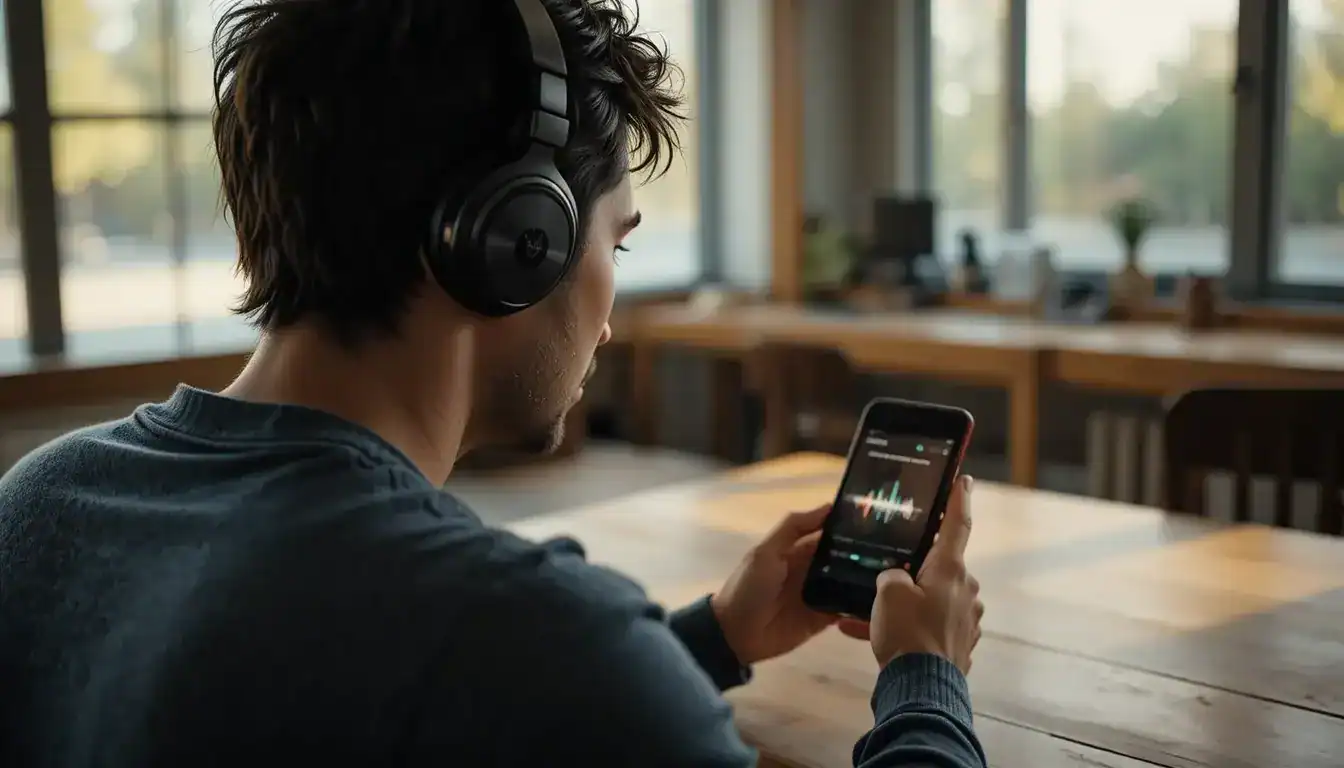
Each lesson lasts about 30 minutes. You listen, respond out loud, and repeat phrases when prompted. There are no screens required.
A typical lesson includes:
- New words introduced in context
- Prompts to recall earlier phrases
- Gradually longer pauses for responses
- Constant pronunciation modeling
Lessons build on each other in a linear order. You are not expected to skip ahead or customize much.
This structure works well for daily habits but offers little flexibility for learners who want control.
What additional learning features support the Pimsleur method
Pimsleur supplements its audio lessons with optional features that reinforce speaking, reading, and consistency.
Language reinforcement features
Reading Lessons
Help learners connect spoken language with written forms at a comfortable pace.
Digital Flash Cards
Support vocabulary review outside lessons, especially for learners who like visual reinforcement.
Speaking and pronunciation support
AI Voice Coach
Uses voice recognition to provide pronunciation feedback during speaking exercises.
Speak Easy
Allows role-play practice with written transcripts, helping learners review conversations after listening.
Motivation and consistency tools
Speed Round Game
Tests conversational recall in a fast, game-like format.
Challenges
Encourage daily practice through small, achievable goals.
Build Your Streak
Reinforces habit formation with reminders and visible progress tracking.
These features are optional and secondary to the audio lessons, but they help modernize the Pimsleur experience for app-based learners.
What Pimsleur does well and where it falls short
Pimsleur excels at speaking confidence but falls short in reading, writing, and advanced content.
Pros
- Strong focus on pronunciation
- Encourages speaking from day one
- Easy to use while commuting
- Low cognitive overload
Cons
- Limited vocabulary range
- Very little reading or writing practice
- Repetitive lesson format
- Minimal cultural or real-world context
Pimsleur is effective at one thing. Teaching you to speak basic sentences clearly. It is less effective as a complete language system.
Who Pimsleur is best suited for today
The method works best for beginners and busy learners focused on conversation.
Pimsleur is a good fit if you:
- Want to improve speaking confidence
- Have limited study time
- Prefer audio learning
- Feel overwhelmed by apps with many features
It is less ideal if you:
- Enjoy grammar explanations
- Want fast vocabulary growth
- Need reading and writing skills
- Prefer visual learning
Many learners use Pimsleur as a foundation, then add other tools later.

How Pimsleur pricing works in 2026
Pimsleur uses a subscription model with full language access during the plan period. You can also choose their Lifetime Subscription plan which occassionally have discounted prices.
As of recent official information, Pimsleur offers:
- Monthly subscription access or lifetime purchase
- All lessons available while subscribed
- No permanent ownership of courses
Pricing is mid-range compared to language apps. You pay for convenience and method consistency rather than features.
Is there a free trial available?
Yes. Pimsleur offers a 7-day free trial that lets you explore the full learning experience before committing. During the trial, you get access to all available lessons for one language on Audio-Only or Premium plans, or all lessons across all languages with All Access. You can try as many lessons and features as you like, and you are not charged during the trial period.
For learners who finish a language quickly, the subscription can feel expensive. For slow, steady learners, it can be reasonable.
Does Pimsleur still work compared to modern apps
Pimsleur still works, but it should not be your only tool.
Research on spaced repetition and active recall shows that timed recall improves memory retention. Pimsleur’s method aligns well with these principles.
However, modern learners often expect:
- Visual feedback
- Progress tracking
- Real conversations
- Richer vocabulary exposure
Pimsleur remains effective for speaking basics but benefits from being paired with other resources.
Is Pimsleur enough on its own
The method can work alone, but many learners benefit from adding a light companion tool.
Pimsleur excels at listening and speaking, but it offers limited reading and written vocabulary practice. Some learners choose to supplement it with simple tools that reinforce what they hear.
Flashcard apps like Anki or Memrise can help review written vocabulary, while reading-focused platforms such as LingQ support comprehension. These tools are optional and should support, not replace, daily audio lessons.
How Pimsleur compares to other language learning apps
Pimsleur emphasizes listening and speaking, while most language apps focus on visual lessons and exercises.
Pimsleur uses audio-based spaced repetition to train your ear and speaking reflexes. Programs like Babbel or Rosetta Stone rely more on screen-based drills, vocabulary lists, and grammar explanations. Learners who prefer learning through listening often gravitate toward Pimsleur, while visual learners may feel more comfortable with traditional app formats.
Final verdict: is Pimsleur worth using in 2026
This Pimsleur review shows that the method still works if speaking is your top priority.
The method has not changed much, and that is both its strength and weakness. It is focused, predictable, and proven.
If you want fast conversational confidence with minimal setup, Pimsleur delivers. If you want a complete language solution, you will need more than Pimsleur alone.
Ready to try Pimsleur?
The best way to judge Pimsleur is to experience the audio lessons yourself.
Not sure Pimsleur is right for you? The best language learning apps for fluency compares it alongside other methods so you can find the right fit.
Frequently Asked Questions
Can Pimsleur help with pronunciation and accent?
Yes. Pronunciation is one of Pimsleur’s strongest areas due to constant native audio modeling.
Is Pimsleur good for advanced learners?
Not really. Advanced learners often outgrow the limited vocabulary and sentence complexity.
Can I use Pimsleur offline?
Yes. Lessons can be downloaded and used without an internet connection.
How long does it take to see results?
Many learners feel more confident speaking after two to three weeks of daily use.
Should I combine Pimsleur with other tools?
Yes. Pairing Pimsleur with a reading or vocabulary tool leads to better overall progress.