
The Ultimate Guide to Language Learning Technology (2026)
Hi fellow language lovers! Let’s talk about how CRAZY the world of language learning technology has gotten.
Trust me, I’ve been around the linguistic block a few times. I’ve suffered through traditional classes, had a blast learning Italian in the actual country (hello, wine and hand gestures!), and yeah, I’ve fallen down the language app rabbit hole too.
But here’s the thing – the tech we’ve got now for learning languages? It’s seriously next-level stuff. We’re not just talking fancy flashcards anymore. Nope, we’ve got AI tutors that’ll chat with you all day long, VR experiences that’ll make you feel like you’ve teleported to Tokyo and platforms connecting you with native speakers worldwide!
Whether you’re a busy professional trying to level up, a lifelong learner who just loves this stuff (that’s me!), or a student looking to boost that resume, this guide covers every technology tool you need to transform into a smooth-talking, accent-nailing language-learning machine.
What You’ll Learn:
- The best language learning apps and how to choose
- AI-powered tools revolutionizing language education
- Online tutoring and language exchange platforms
- Immersive media: Netflix, YouTube, podcasts
- Virtual reality and gamification technology
- How to build your personal language learning tech stack
Language Learning Apps and Software
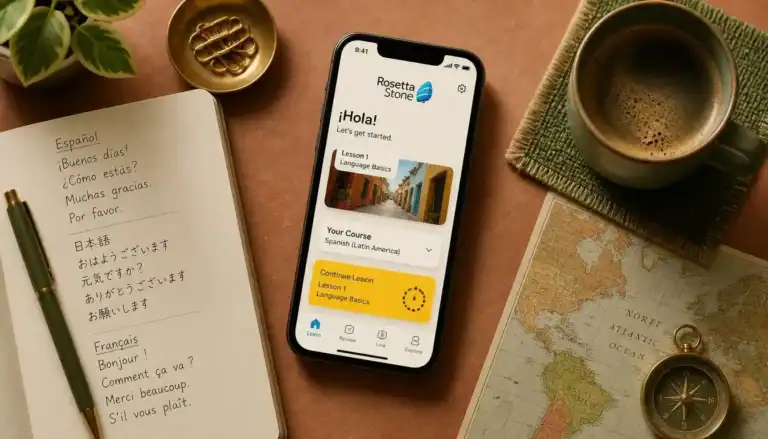
Language learning apps have exploded in popularity, and for good reason—they make language practice accessible, engaging, and effective. But with so many options available, which ones actually deliver results?
The App Landscape
Modern language learning apps fall into several categories:
Gamified platforms like Duolingo turn learning into an addictive game with points, streaks, and that persistent owl. Yeah, I know, “the owl app,” but hear me out—it’s come a long way. That bird used to drive me nuts, but now it’s like having a quirky little language buddy in my pocket for daily Italian lessons.
Structured course apps like Babbel and Busuu provide systematic curriculum aligned with proficiency levels. Babbel’s been a total game-changer for me. It’s like Duolingo’s cooler, more sophisticated cousin. Sure, it’s fun to know how to say “Il gatto beve il latte,” but Babbel taught me how to order a cappuccino in Italy without making a complete fool of myself. The Babbel review breaks down its methodology and who it works best for.
Flashcard-based apps like Memrise and Anki use spaced repetition to drill vocabulary into your brain. Visual learners, rejoice! Memrise uses some wild mnemonic devices. I still chuckle at the ridiculous image they used for “imbarazzato” (embarrassed in Italian).
Audio-focused apps like Pimsleur emphasize listening and speaking. I use it during my commute, and let me tell you, my car has heard some interesting Italian conversations.
Language-specific apps like LingoDeer (Asian languages) or Mango Languages provide specialized instruction for particular language families.
Choosing the Right App
The key is knowing yourself. Visual learner? Memrise or Drops might be your thing. More of an audio person? Give Pimsleur a try. Social butterfly? Look for apps with community features.
And don’t forget to think about why you’re learning. Prepping for that dream vacation to Rome? Focus on apps that teach you how to actually talk to people. Cramming for an exam? Look for apps with more grammar goodness.
Pro tip: Consistency beats intensity. A little bit every day beats a massive cram session once in a blue moon. I’ve picked this up the hard way!
For comprehensive app comparisons with detailed reviews, pros, cons, and pricing, check out our guide to the best language learning apps for fluency in 2026.

AI-Powered Language Learning Tools
All right, let’s get to it! We’re diving into the wild world of AI in language learning. When I first heard about AI in education, I was skeptical. I mean, can a computer really teach languages better than my high school French teacher? (No offense, Madame Dubois!)
But the answer is: Yes, absolutely! The way AI has transformed language instruction is nothing short of mind-blowing. It’s like we’ve gone from riding a bicycle to zooming around in a Tesla—and I’m here for it!
How AI is Revolutionizing Language Learning
AI is basically computer systems that can perform tasks that typically require human intelligence. In language learning, it’s like having a super-smart, tireless tutor available 24/7.
Personalized learning experiences: AI algorithms analyze your learning style, track your progress, and tailor lessons specifically to you. When I first started using an AI-powered app to learn italian, it quickly figured out that I’m a visual learner and started throwing more pictures and diagrams my way. It also picked up on my weakness with verb conjugations (ugh, those -are, -ere, -ire endings!) and gave me extra practice in that area. Talk about a personal touch!
AI conversation partners: There are now chatbots that can chat with you about anything, anytime. It’s like having a language exchange partner who never gets tired, never judges your mistakes, and is always available for practice—even at 2 AM in your pajamas!
The conversational AI revolution has made practicing dialogue incredibly accessible. Modern chatbots can discuss everything from ordering coffee to debating philosophy, adapting their complexity to your level and providing corrections when you make mistakes. They’re perfect for building confidence before real conversations with native speakers. Want to dive deeper into how AI chatbots can accelerate your speaking skills? Check out AI chatbots for language practice: your 24/7 conversation partner.
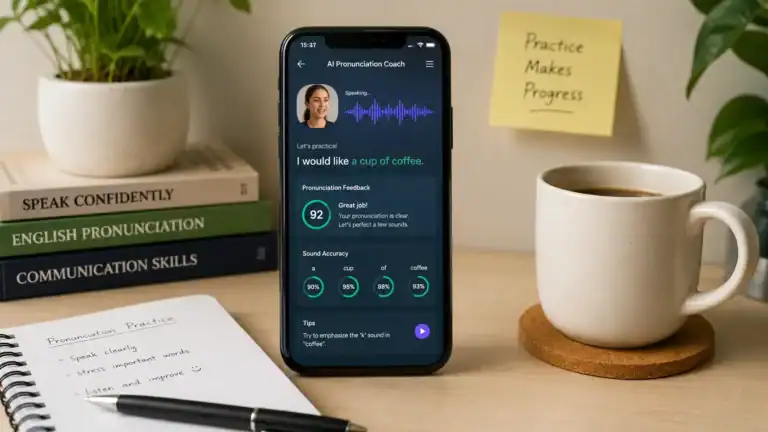
Speech recognition and pronunciation feedback: Apps use AI to give you real-time feedback on your pronunciation. It’s scary how well these systems can pinpoint exactly which sounds you’re messing up.
If pronunciation is a priority for you—whether you’re preparing for a job interview, want to sound more natural, or simply take pride in accurate speech—AI pronunciation coaches have become remarkably sophisticated. These specialized tools go beyond basic speech recognition to provide detailed phonetic feedback, showing you exactly how to position your tongue and mouth for challenging sounds. For a comprehensive look at the best AI pronunciation tools and techniques, explore our guide on how AI pronunciation coaches improve your accent.
Adaptive learning algorithms: The app figures out which words you need to practice most and adjusts your lessons accordingly. Lingvist’s AI-powered flashcards know my weak spots better than I do!
This adaptive learning technology represents one of the most significant breakthroughs in language education. Instead of forcing everyone through identical lessons, adaptive systems create a unique learning path for each student based on their performance, learning speed, and retention patterns. The result? You spend time on what you actually need to learn rather than reviewing what you already know. For an in-depth exploration of how adaptive algorithms work and which apps use them most effectively, read adaptive learning in language apps: personalized paths to fluency.
Progress tracking and assessment: AI doesn’t just teach—it measures your improvement with sophisticated analytics that show exactly where you’re advancing and where you need more work.
Real-World AI Examples
Some AI tools that have blown my mind:
- Duolingo’s AI-powered Stories: Adaptive stories that adjust to your level as you read
- ELSA Speak: Pronunciation app using AI to give you detailed feedback on your accent
- AI Writing Assistants: Tools like Grammarly that help you write in your target language
- Replika: AI chatbot that learns your conversation style for casual practice
The benefits are huge—faster progress, longer motivation, more confidence. Plus, AI is making language learning accessible to people who might not have time or resources for traditional classes.
But let’s keep it real—AI isn’t perfect. Sometimes these tools make mistakes or struggle with language nuances. And AI isn’t replacing human teachers; it’s enhancing instruction, freeing up teachers to focus on creative and nuanced aspects that machines still struggle with.
For a comprehensive deep-dive into all AI technologies revolutionizing language learning—from natural language processing to virtual reality—explore our detailed guide on how AI in language learning is revolutionizing fluency.
Spaced Repetition and Vocabulary Technology
One of the most scientifically-proven methods for vocabulary retention is spaced repetition—and modern technology has perfected this technique.
How Spaced Repetition Works
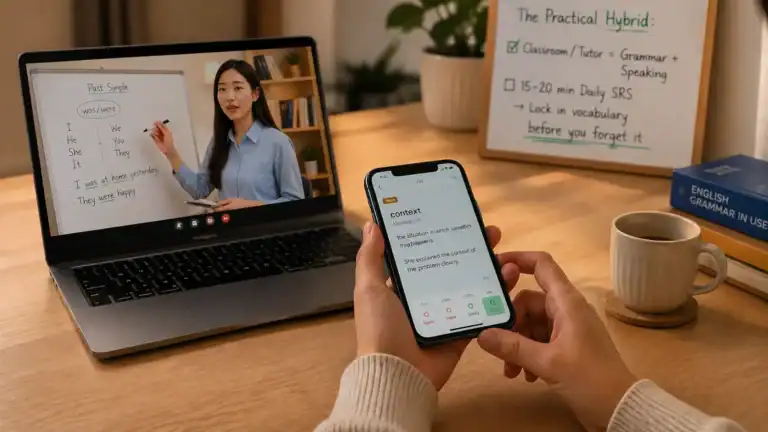
Your brain naturally forgets information over time unless you review it at strategic intervals. Spaced repetition algorithms calculate the optimal moment to review each word—right before you’d forget it—maximizing retention with minimal study time.
Instead of cramming vocabulary for hours and forgetting it days later, spaced repetition apps ensure words move from short-term to long-term memory efficiently. This science-backed approach is why serious language learners swear by these tools.
Top Spaced Repetition Tools
Anki: The gold standard for customizable flashcard decks. A bit DIY, but perfect for creating exactly the vocabulary practice you need. It’s been a lifesaver for memorizing those pesky irregular verbs.
Quizlet: User-friendly with millions of pre-made flashcard sets. Great for students who want ready-made content.
Memrise: Combines spaced repetition with mnemonic devices and video clips from native speakers.
Lingvist: Uses AI to optimize your review schedule based on your individual forgetting patterns.
The key with these tools is consistency—5-10 minutes of daily review beats hour-long weekly cram sessions every time.
For the cognitive science behind spaced repetition and how to maximize its effectiveness, read how spaced repetition works for building vocabulary fast.
For tool comparisons — whether you want a power tool with full algorithmic control or a beginner-friendly mobile app — see the best spaced repetition software to master vocabulary and best vocabulary learning apps guides.
Online Tutoring and Language Exchange Platforms
Suddenly, you have access to native speakers and professional tutors from all over the world, right from your living room. It’s exciting and terrifying all at once!
Professional Online Tutoring
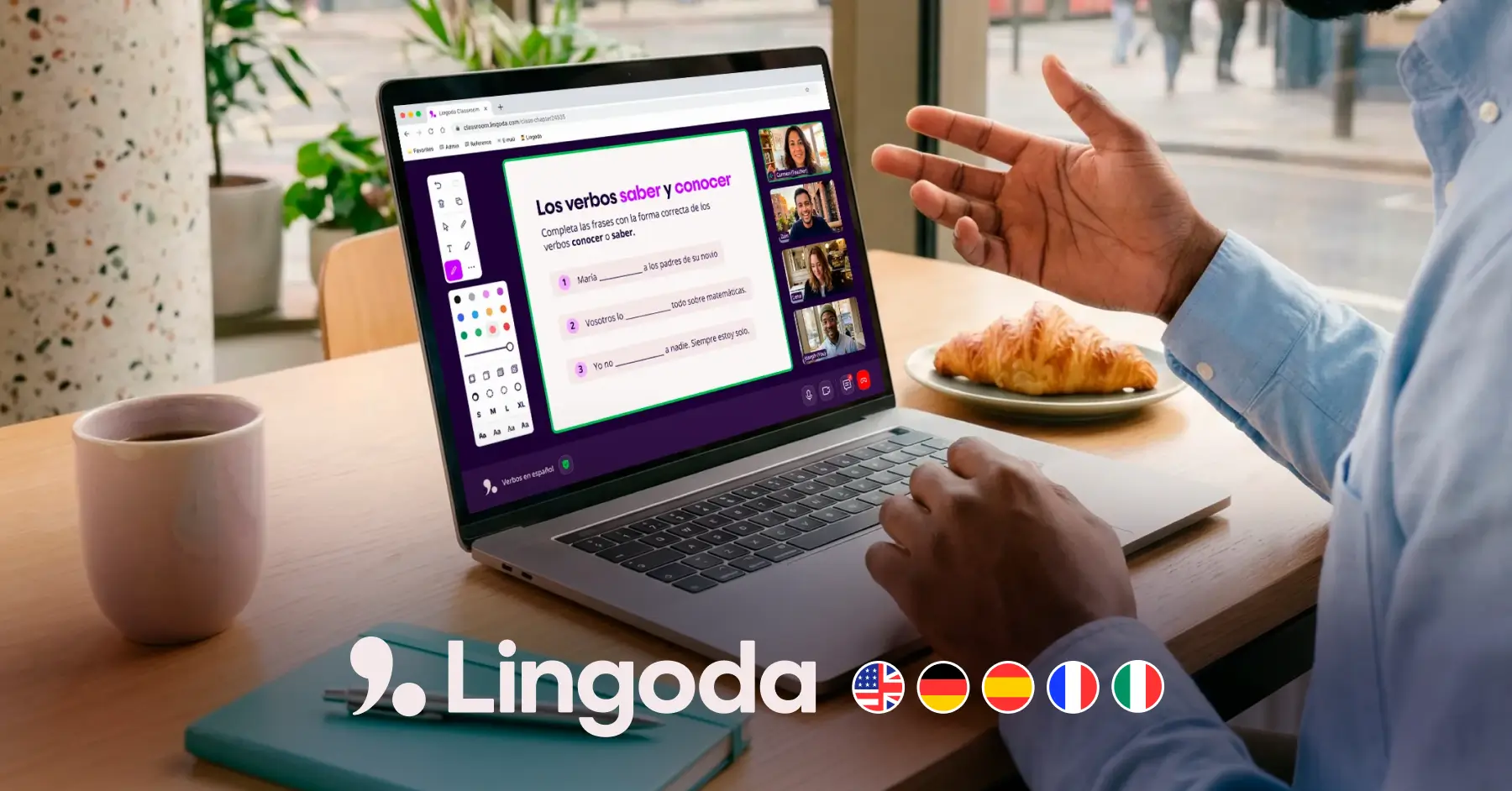
Why you can’t speak despite understanding explains the cognitive reasons and gives you a self-diagnosis framework. Online tutoring platforms connect you with qualified language teachers for structured, personalized instruction. I’ve been using these for my Italian practice and they’re fantastic.
What makes online tutoring effective:
- One-on-one attention focused entirely on your needs
- Professional teachers with teaching certifications and experience
- Structured lessons with homework and progress tracking
- Flexibility to schedule around your life
- Often more affordable than in-person tutoring
Top platforms: italki (huge tutor selection, budget-friendly options), Preply (curated quality tutors), Verbling (certified teachers only), and specialized options like BaseLang (unlimited Spanish lessons) or LingoCulture (unlimited French).
Finding an amazing tutor from Milan really helped my accent tremendously. It’s not free, but the quality of instruction is worth it.
Language Exchange Platforms
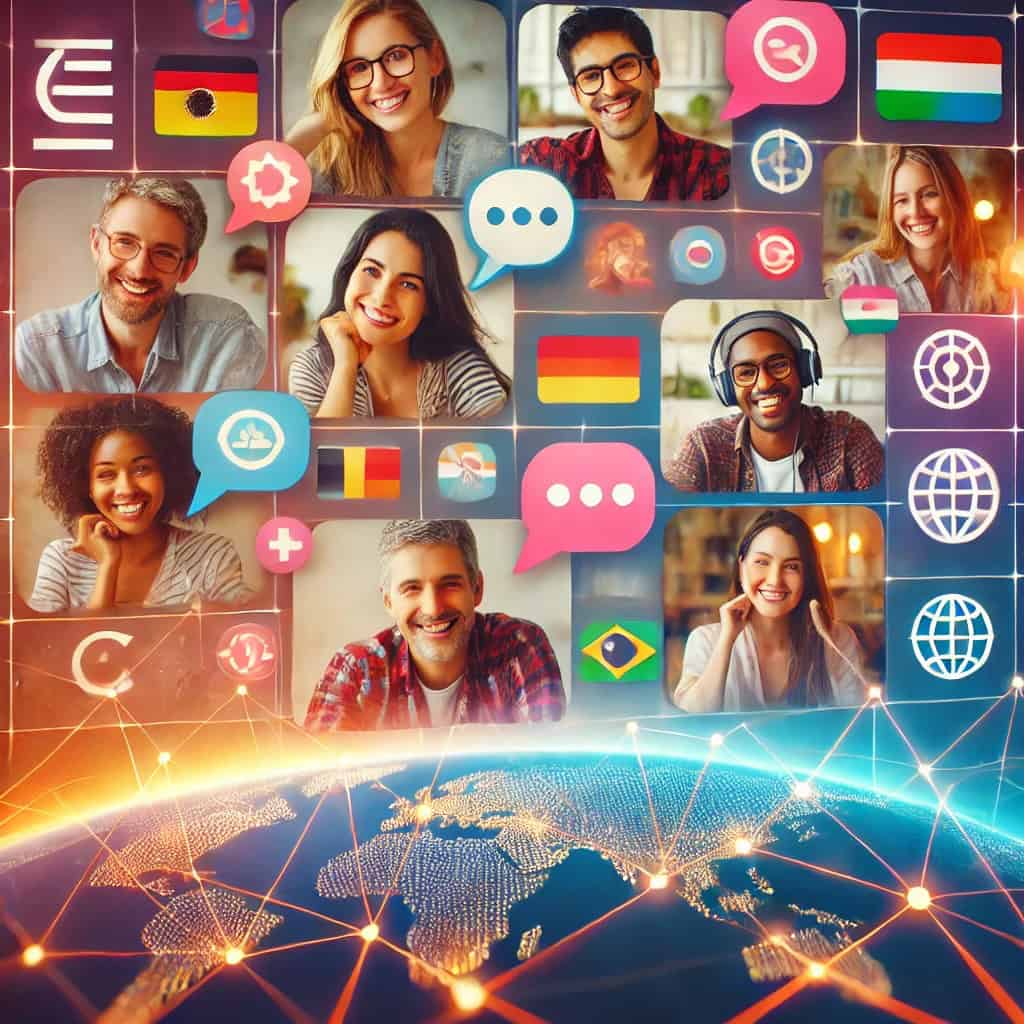
Language exchange websites have been revolutionary for conversational fluency. Gone are the days when you had to travel halfway across the world just to practice with a native speaker. Now you can do it in your pajamas!
How language exchange works: You connect with someone who speaks your target language natively and wants to learn your language. You take turns practicing each language, teaching each other through conversation. Most exchange is completely free—both participants benefit equally.
Popular platforms: Tandem (my go-to for casual exchange), HelloTalk (like social media for language learners), Speaky (sleek interface), and many others connect millions of learners worldwide.
These exchanges have taught me that language is so much more than words and grammar, it’s about understanding different perspectives. I’ve had deep discussions about politics, hilarious conversations about dating customs, and everything in between.
Finding good language partners: Be clear about your goals, don’t be afraid to shop around until you find someone you click with, look for partners with similar interests, and be respectful of time zones (I learned that one the hard way!).
For detailed guidance on finding and evaluating tutors, see how to find your perfect online language tutor in 2026.
For platform comparisons and which to choose, explore 11 best language learning platforms with tutors.
Still deciding between paid tutoring and free exchange? Read our comparison: online language learning platforms: tutoring vs exchange.
Immersive Media for Language Learning
The best part about modern language learning? You can learn while binge-watching Netflix, scrolling YouTube, or listening to podcasts during your commute. No joke!
Learning Languages with Netflix
Netflix has become an unexpected language learning goldmine. With the right approach and tools, you can turn entertainment time into effective study sessions.
How to use Netflix for language learning:
- Watch shows in your target language with subtitles (target language subtitles, not English!)
- Use Language Learning with Netflix extension for dual subtitles and word lookup
- Rewatch favorite shows in your target language—knowing the plot helps comprehension
- Start with kids’ shows or slower-paced dramas before tackling rapid-fire comedies
I’ve learned more Italian slang from Italian crime dramas than I ever did from textbooks. Plus, it’s way more fun than grammar drills!
For complete strategies, show recommendations, and subtitle hacks, check out how to easily learn languages using Netflix.
YouTube for Language Learning
YouTube is a free, infinite library of native speaker content across every topic imaginable. The key is knowing how to use it effectively.
Effective YouTube strategies:
- Subscribe to channels for language learners in your target language
- Watch authentic content (cooking shows, vlogs, news) with auto-generated subtitles
- Use playback speed control—slow down fast speakers or speed up slow ones
- Follow creators whose topics interest you (tech, fashion, gaming, cooking)
Easy Languages channels have been my go-to—street interviews with subtitles in both languages. It’s like eavesdropping on native speakers, but without the guilt!
For channel recommendations and detailed techniques, read how to use YouTube for language learning effectively.
Podcasts for Language Learning
Podcasts are perfect for language learning because they fit into dead time—commuting, exercising, cooking, chores. I’ve turned so many traffic jams into Italian lessons, I almost look forward to rush hour. Almost.
Types of language podcasts:
- Beginner podcasts designed for learners (Coffee Break Languages, Language Transfer)
- Intermediate “slow news” podcasts (News in Slow Spanish/French/etc.)
- Advanced authentic podcasts (native content on topics you enjoy)
The beauty of podcasts is passive learning that builds listening comprehension without requiring your full attention. Over time, your ear naturally adjusts to the rhythm and speed of native speech.
For top podcast recommendations and listening strategies, explore top reasons to use podcasts for language learning.
Virtual Reality and Augmented Reality
Wow, virtual reality and language learning? Now that’s a combo I never thought I’d see! But it just makes sense. It’s like stepping into a language-learning wonderland where textbooks come alive.
Virtual Reality Language Learning
I remember the first time I strapped on a VR headset for language practice. I felt like a total goofball, flailing my arms around in my living room. My cat looked at me like I’d finally lost it. But then, boom! I was suddenly standing in a bustling Italian market, trying to haggle over the price of tomatoes. Talk about immersion!
What VR offers:
- Realistic environments simulating real-world situations (restaurants, airports, business meetings)
- AI-powered characters you can have actual conversations with
- Safe space to practice without fear of embarrassment (the virtual barista doesn’t judge!)
- Repetitive practice of difficult scenarios until you’re comfortable
Top VR apps: Mondly VR (my gateway drug into VR learning), ImmerseMe (real-world video footage scenarios), VirtualSpeech (public speaking practice), and social VR spaces like AltspaceVR where you can attend virtual language exchange meetups.
Augmented Reality
AR overlays digital information onto the real world through your phone or AR glasses, letting you learn vocabulary in context. Point your phone at objects to see target language labels, or use AR games that make vocabulary practice active and engaging.
Practical tips: Start small with 15-20 minute sessions to avoid motion sickness (learned this the hard way!). Make it a regular part of your routine. Use it to complement other methods, not replace them entirely. And don’t be afraid to look silly—if it helps you learn, who cares?
For comprehensive VR/AR tool reviews and immersive learning strategies, read the ultimate guide to VR and AR in language learning.

Gamification in Language Learning
Gamification has completely transformed how we approach language learning. Apps are now designing experiences that feel more like video games than traditional study—and the results speak for themselves.
How Gamification Works
Points and rewards: Earn XP for completing lessons, maintaining streaks, achieving accuracy goals.
Leveling up: Progress through increasingly difficult content as you advance, unlocking new features and topics.
Leaderboards and competition: Compete with friends or global learners, adding social motivation.
Achievements and badges: Collect rewards for milestones, encouraging comprehensive practice across all skills.
Streaks: Daily practice tracking that makes you not want to “break the chain”—Duolingo’s owl knows exactly what it’s doing!
Why It Works
Gamification taps into psychological principles that make learning addictive in the best way:
- Immediate feedback and rewards satisfy our dopamine-seeking brains
- Progress visualization maintains motivation during challenging periods
- Social competition provides accountability and encouragement
- Playful elements reduce anxiety and fear of failure
The result? You practice more consistently, stay engaged longer, and actually enjoy the learning process.
For deep-dive into gamification psychology and how to leverage it effectively, see how gamification in language learning works and why it sticks.
Specialized Language Learning Technology
Beyond the major categories, several specialized technologies address specific learning needs.
Text-to-Speech Technology
Text-to-speech (TTS) tools convert written text into spoken audio, helping with pronunciation, listening practice, and accessibility.
How to use TTS: Convert articles, textbooks, or your own writing into audio for on-the-go listening. Compare AI pronunciation to native speakers. Practice reading along while listening to build connections between written and spoken language.
Top tools: Google Translate TTS, Natural Reader, specialized apps like Speechify.
For complete TTS tool comparisons and usage strategies, read text-to-speech for language learning: complete guide.
Learning Business Language for Professional Success
For professionals, entrepreneurs, and anyone using language skills in workplace contexts, mastering business terminology and professional communication is essential. Business language learning requires a different approach than casual conversation—you need industry-specific vocabulary, formal communication patterns, and understanding of cross-cultural business etiquette.
Whether you’re preparing for international negotiations, communicating with global clients, or simply want to sound more professional in your target language, specialized business language training can accelerate your career growth. Technology tools like business-focused apps, AI role-play scenarios, and professional tutoring platforms make this specialized learning more accessible than ever.
For comprehensive strategies on acquiring business vocabulary, mastering professional communication, and leveraging technology for workplace language success, take a closer look at our complete guide: how to learn business language for success.
AI Translation for Business
For professionals needing language skills for work, AI translation technology has become indispensable—but it requires strategic use.
Business translation tools: DeepL (highest accuracy for European languages), Google Translate (broad language coverage), specialized tools for technical documentation.
Smart usage: Draft in your native language and refine translations. Use for reading comprehension of business documents. Never rely solely on translation for critical communications—have native speakers review.
For business-specific translation strategies, explore AI translation for business: boost communication.
Second Language Acquisition Research
Understanding the science behind how we learn languages helps optimize your tech stack. Modern research reveals which methods work, which don’t, and why. For guidance on finding the right method for you, see how to choose a language learning method that fits you best.
Key findings: Comprehensible input matters more than output early on. Spaced repetition dramatically improves retention. Immersion accelerates all language skills simultaneously. Technology enhances but doesn’t replace human interaction.
For research-backed insights into effective language learning, read tech-era second language acquisition: research & insights.
Building Your Personal Language Learning Tech Stack
With so many tools available, how do you build an effective technology combination without overwhelming yourself?
The Balanced Tech Stack
Foundation (choose one): Primary learning app providing structured curriculum (Duolingo, Babbel, Busuu). If you’re comparing specific apps for beginners, the best language learning apps for beginners breaks down six top picks with full pros, cons and pricing.
Vocabulary reinforcement (choose one): Spaced repetition system for drilling words (Anki, Memrise, Quizlet) — for an AI-enhanced approach to this layer, the best practices for AI vocabulary learning guide covers how to combine these tools with AI-generated content for better retention.
Conversation practice (choose 1-2):
- AI chatbot for daily low-pressure practice
- Language exchange partner for authentic interaction 2-3x weekly
- OR online tutor for structured speaking instruction 1-2x weekly
Immersive media (use all):
- Netflix/YouTube for entertainment that doubles as learning
- Podcasts during commute/exercise
- Text-to-speech for converting reading materials to audio
Specialized tools (as needed):
- Pronunciation app if accent is priority
- Assessment tools for tracking progress
- VR if you have headset and want immersive practice
Sample Tech Stacks
Budget-conscious beginner:
- Free: Duolingo + Tandem language exchange + YouTube channels + podcasts
- Total cost: $0
Serious intermediate learner:
- Paid: Babbel ($13/month) + Anki (free) + italki tutor 1x/week ($20-30) + Netflix
- Total cost: ~$100-130/month
Advanced business professional:
- Premium: Private tutor 2x/week ($100-150) + Busuu ($10/month) + specialized business content + assessment tools
- Total cost: ~$250-350/month
Common Mistakes to Avoid
App hoarding: Don’t download 15 apps and use none consistently. Pick 2-3 core tools and commit for 30 days minimum.
All tech, no human interaction: Technology builds foundation, but fluency requires actual conversation with real people.
Passive consumption without active practice: Watching Netflix in target language helps, but you must also produce language through speaking and writing.
Ignoring progress tracking: Use assessment tools quarterly to ensure your efforts are producing measurable improvement.
If you are ready to put this into practice, the next step is to build a personalised AI language learning plan around your specific level and goals.

The Future of Language Learning Technology
We’re living in an incredible time for language learners, and the technology is only getting better.
What’s coming:
- More sophisticated AI tutors with emotional intelligence
- Better VR immersion with photo-realistic environments
- Brain-computer interfaces optimizing learning based on neural activity
- Holographic AI tutors through AR glasses
- Improved translation earbuds for real-time conversation support
But here’s the thing—even with all this fancy tech, human connection remains irreplaceable. The future isn’t about choosing between technology and human interaction; it’s about leveraging both for optimal learning.
Technology handles the repetitive practice, immediate feedback, and personalized pacing. Humans provide cultural context, emotional connection, and authentic communication that no AI can fully replicate. The sweet spot is using tech for daily foundation while maintaining regular human interaction for authentic practice.
Conclusion
The future of language learning isn’t coming—it’s already here! We’ve gone from dusty textbooks to AI tutors, VR experiences, and platforms connecting us with native speakers worldwide.
But here’s what I’ve learned after years of experimenting with all this tech: tools are just that—tools. They’re incredibly powerful ones that make learning faster, more fun, and more accessible than ever before. But they work best when combined strategically and supplemented with good old-fashioned human interaction.
The secret isn’t finding one perfect app or technology. It’s building a personalized tech stack that fits your learning style, goals, and life circumstances. Start with one primary app, add vocabulary reinforcement, include regular conversation practice, and immerse yourself in authentic media. Adjust based on what works for you.
Remember, language learning is still going to take some elbow grease. There’s no app for instant fluency (yet). But with these tech tools in your pocket, you’re basically a linguistic superhero in training.
So fire up those apps, strap on that VR headset, or whatever works for you. The world’s your oyster, language learners. Who knows? By this time next year, you could be cracking jokes in Japanese, flirting in French, or ordering pizza like a pro in Portugal.
Andiamo! (That’s “Let’s go!” in Italian. See? You’re learning already!)
Frequently Asked Questions
How much should I spend on language learning technology?
You can learn effectively with $0-10/month using free apps, YouTube, language exchange, and library resources. For optimal results, $50-150/month covering premium apps, spaced repetition tools, and occasional tutoring sessions provides excellent value. Spending more (>$250/month) offers diminishing returns unless you need specialized business instruction or intensive tutoring.
Can I become fluent using only apps and technology?
Technology can bring you to solid intermediate proficiency (B1-B2) independently. However, achieving advanced fluency (C1-C2) typically requires extensive human interaction. Use tech for daily foundation and vocabulary building, but supplement with conversation partners, tutors, or immersion experiences for authentic communication practice.
What’s the single most important technology for language learning?
If forced to choose just one, a comprehensive language learning app (Duolingo, Babbel, Busuu) provides the best foundation. However, real fluency requires multiple tools—apps for structure, spaced repetition for vocabulary, human conversation for speaking practice, and immersive media for listening comprehension.
How do I stay motivated using language learning technology?
Set realistic goals, track progress visibly, use gamified apps that make learning fun, join online communities for accountability, vary your tools to prevent boredom, and celebrate small wins. Most importantly, connect your learning to real goals—upcoming trips, career advancement, connecting with family—that provide intrinsic motivation beyond just app streaks.